Feeling nervous before a dental visit is far more common than most people admit. Practical dental anxiety tips bankstown residents can actually use go beyond “just relax” advice.
Therefore, before your next appointment, it helps to understand both why the anxiety happens and what genuinely reduces it, rather than relying on willpower alone.
Why Dental Anxiety Happens in the First Place
Dental anxiety usually comes from a specific trigger, whether that is a past bad experience, fear of pain, or simply feeling a loss of control in the chair. Therefore, identifying your specific trigger is often the first genuinely useful step, rather than treating the anxiety as one vague, unmanageable feeling.
In fact, once you know exactly what worries you, both coping techniques and communicating with your dentist become far more effective, since you can target the specific concern directly.
Coping Techniques That Genuinely Help
Rather than generic relaxation advice, here are specific techniques worth trying, each targeting a different part of the anxiety response:
- Slow, controlled breathing. Inhale for four seconds, hold for four, exhale for four; this genuinely lowers physical tension before and during treatment
- Bring headphones and music. Blocking out drill sounds specifically reduces one of the most common triggers
- Agree on a stop signal beforehand. A raised hand gives you a sense of control throughout the appointment
- Book morning appointments. This avoids anxiety building up over an entire day beforehand
- Avoid caffeine before your visit. Caffeine can amplify the physical symptoms of anxiety
What a Genuinely Anxiety-Aware Dentist Does Differently
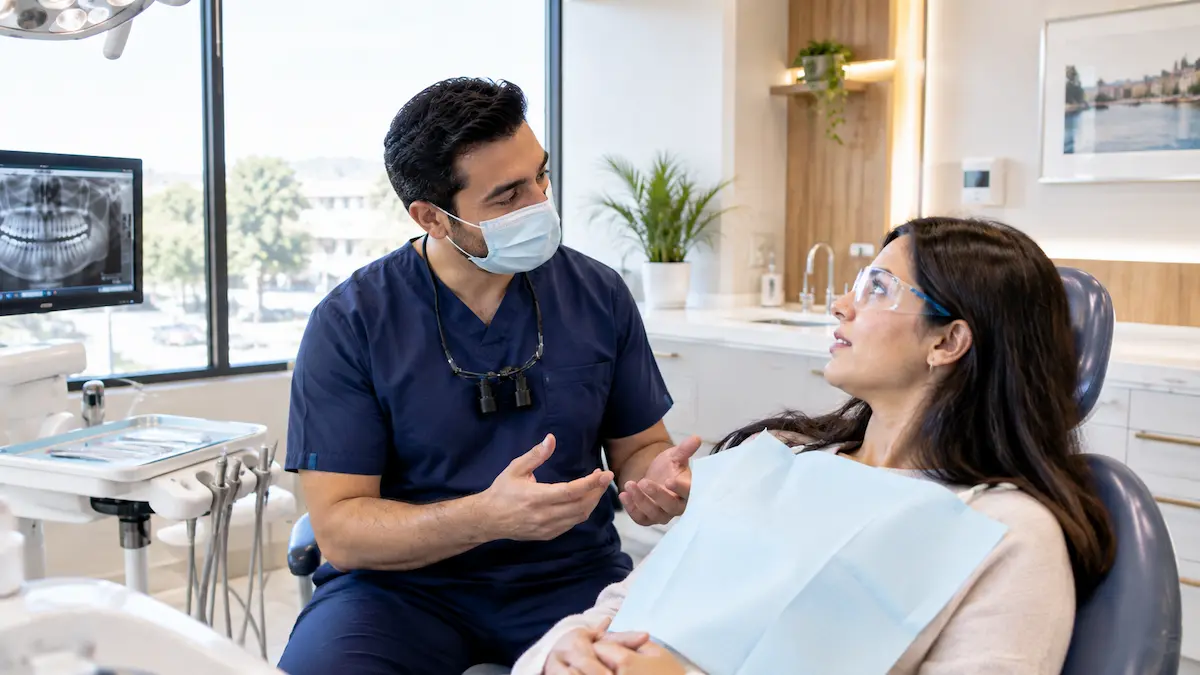
Some people argue that anxiety is something patients simply have to manage themselves. However, a practice that takes anxiety seriously changes the experience considerably, not just the patient’s mindset. Overall, the environment and approach matter just as much as any personal coping strategy.
Look for a dentist who offers the following, since these details often matter more than the clinic’s general reputation:
- Tell-show-do explanations. Describing each step before doing it removes fear of the unknown
- Flexible pacing, including breaks. Rushing is one of the biggest anxiety triggers in dental care
- Sedation options for severe cases. In Australia, only registered dental practitioners or anaesthetists can legally administer sedation, so it is worth confirming this directly
- A genuinely welcoming first conversation. How a practice responds when you mention anxiety on the phone often predicts the whole experience
As a result, choosing a practice known for patience with nervous patients often matters more than any single coping technique alone.
Getting Gentle Dental Care Near Bankstown
Memon Dental Care, relocating to Bankstown, takes a patient, unhurried approach for anxious visitors, led by Dr Mohammed Sohail Memon, who brings over 25 years of clinical experience. Meanwhile, the practice encourages patients to mention anxiety when booking, so the team can plan the visit accordingly from the very first appointment. Additionally, this kind of preparation is often what separates genuinely helpful dental anxiety tips Bankstown patients can use from generic advice found online.
You can book an appointment online and simply note your anxiety when booking, so the team is prepared before you even arrive.
Frequently Asked Questions
What are common symptoms of dental anxiety?
Increased heart rate, sweating, difficulty sleeping the night before, and avoiding appointments altogether are all common signs worth recognising early.
Are dental anxiety tips bankstown patients use different from general anxiety advice?
Not fundamentally, but pairing coping techniques with a genuinely patient local practice tends to make the biggest practical difference over time.
Can medication help with severe dental anxiety?
Yes, in some cases. This should only be discussed directly with your dentist or GP, since options and suitability vary by individual.
Is sedation dentistry safe for anxious patients?
Yes, when administered by a registered dental practitioner or anaesthetist, sedation dentistry is considered safe and is regulated in Australia.
Should I tell my dentist I have dental anxiety?
Yes, mentioning it beforehand allows the practice to adjust pacing, explanations, and comfort measures specifically for you.
How do I find a dentist who is genuinely good with anxious patients?
Ask directly how they handle nervous patients, and notice how they respond when you mention anxiety during your first phone call.
Making Your Next Visit More Manageable
Real dental anxiety tips Bankstown residents can rely on combine practical coping techniques with choosing the right practice. Memon Dental Care takes a genuinely patient approach for anxious patients as it relocates to Bankstown, so nobody has to face their fear alone. For further general guidance on managing dental anxiety, Better Health Channel is a useful reference point.